
Our Current Projects
Mchinji District (2020-2026)
In collaboration with local government offices (Education and Trade), we identified two regions in Mchinji to bring our projects to. Consistent with our approach, we engaged in extensive scoping and then established long-term partnerships with two primary schools and two agricultural cooperatives.

School Projects
As with all our projects in Malawi, our focus is fundamental aspects of sustainability; food production, water systems, renewable energy and sanitation to improve student wellbeing and model resilient practices for the wider community. Our work in Mchinji has involved working with two schools.
1. Mchinji Mission Primary School (1,060 students)
Key impacts:
Meal program: Breakfasts 2–3 days per week; 7 acres cultivated for the meal program on communal land
Orchards: Over 700 trees planted
Sanitation: Four composting toilets and two large urinals installed for boys and girls.
Energy: Solar electricity for lighting and phone charging; night classes benefit 65 students/week (on average)
Capacity Building: 100 community members trained in permaculture design, 23 lead farmers adopted permaculture farming methods.
2. Mphanga Primary School (1,320 students)
Key impacts:
Meal program: Breakfasts 2–3 days per week; 8 acres cultivated for the meal program on communal land
Orchards: Over 1,000 trees planted
Water access: Solar irrigation systems with four access taps for the wider community, 25,000 litres of storage capacity, including 10,000 via a rainwater harvesting system.
Sanitation: Four composting toilets and two large urinals installed for boys and girls.
Energy: Solar electricity for lighting and phone charging; night classes benefit 60 students/week (on average)
Capacity Building: 100 community members trained in permaculture design, 30 lead farmers adopted permaculture farming methods.
Cooperative Projects
1. Mithirasembe Cooperative (172 members)
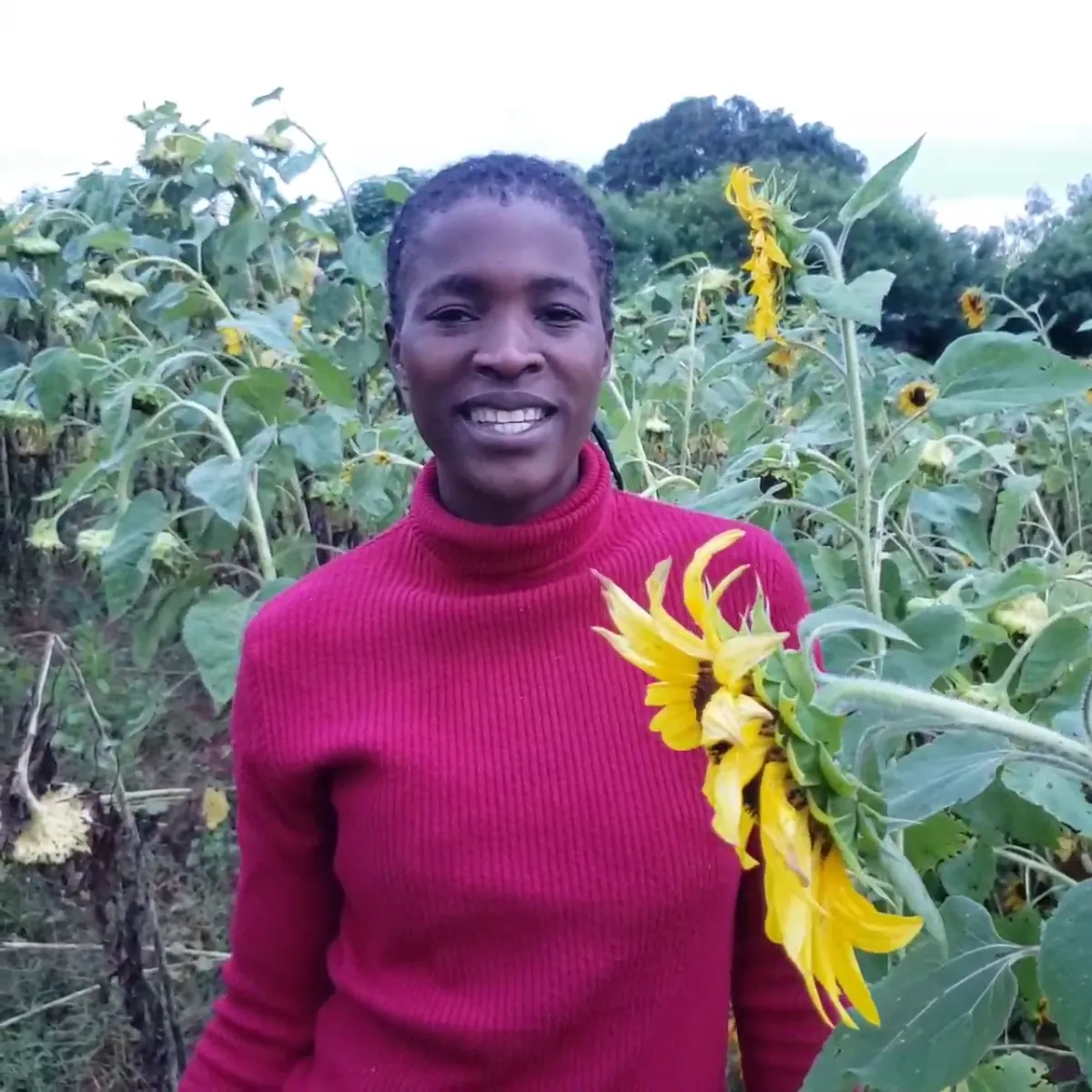
An agricultural cooperative that grows sunflowers and peanuts to produce cooking oil
Key impacts:
Registration: Successful registration and maintenance of cooperative status for 6+ years.
Capacity building: Multiple trainings in financial literacy, business, and cooperative governance in partnership with the Ministry of Trade
Affordable access to finance: Access to multiple rounds of interest-free finance to purchase seedlings and equipment
Exchange visits: Exposure and opportunities to learn from the experiences and practices of successful cooperatives.
Warehousing: Successfully built their own factory + warehouse, shifting from the previous office which was rented.
2. Mtenjemanga Cooperative (59 members)
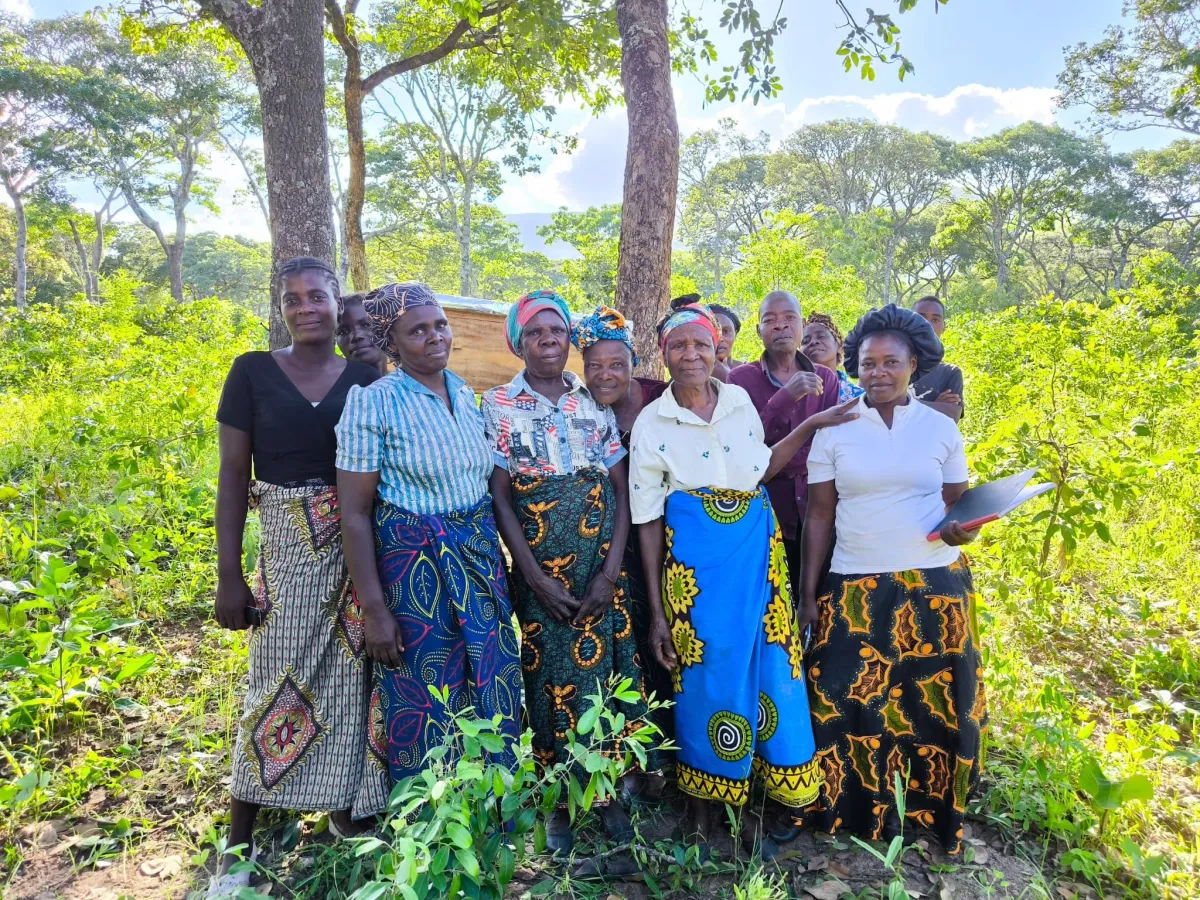
An agricultural cooperative that produces honey from wild bees, and grows both soya and peanuts. Over 80% of the its membership are women.
Key impacts:
Registration: Maintenance of cooperative status for 6+ years.
Capacity building: Multiple trainings in financial literacy, business, and cooperative governance in partnership with the Ministry of Trade
Affordable access to finance: Access to multiple rounds of interest-free finance to purchase seedlings and equipment
Upgraded Hives: Received 40 new bee hives to replace ageing ones, including smokers and bee suits (via interest free loan of MWK 2 million)
Market Access: Guaranteed buyer of wild honey through supplier of bee hives, Honey Den.
Exchange visits: Exposure and opportunities to learn from the experiences and practices of successful cooperatives.

Connect with us
Follow our project updates on social media


© Copyright 2026. Empower Projects. All rights reserved.